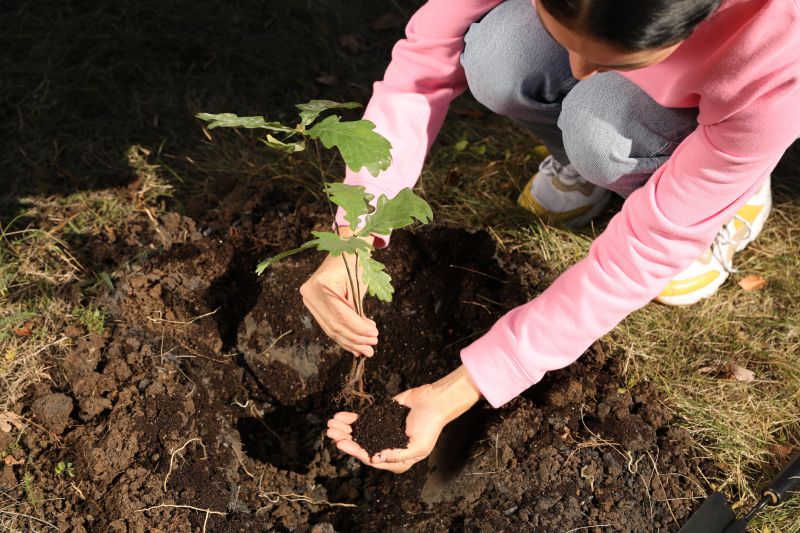
Pear Tree Planting in Honolulu, HI
Pear Tree Planting services involve selecting, preparing, and planting trees to enhance the beauty, shade, and value of residential properties. These projects can include planting new trees in yards, gardens, or along streets, as well as replacing existing trees or adding specimens for landscape design. Homeowners typically seek guidance on suitable tree varieties for their specific climate and soil conditions, as well as advice on proper planting techniques to ensure healthy growth and long-term stability.
Property owners interested in pear tree planting often want to understand the space requirements for different types of pear trees, including root zone considerations and proximity to structures or underground utilities. They may also inquire about the best time of year for planting and how to care for newly planted trees to promote healthy development. Clear information on these factors can help ensure successful planting projects that contribute to a thriving landscape.
Many property owners in Honolulu, HI look into Pear Tree Planting for repairs, replacements, upgrades, and appearance-related improvements.
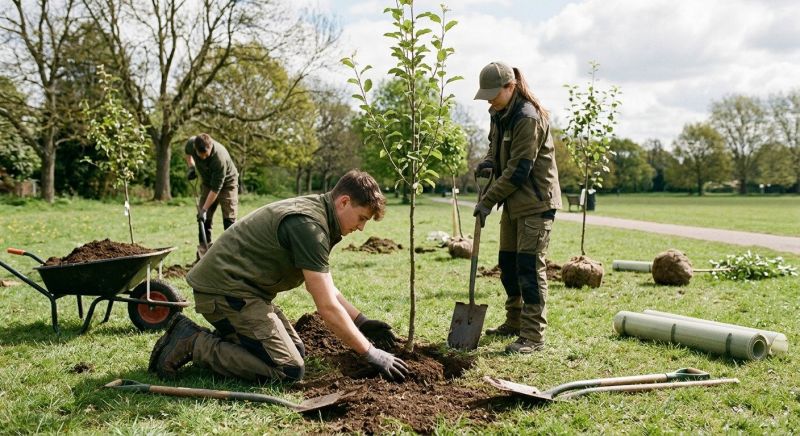
Tree Selection And Placement
Choosing the right pear trees to enhance the landscape and suit the property’s needs.
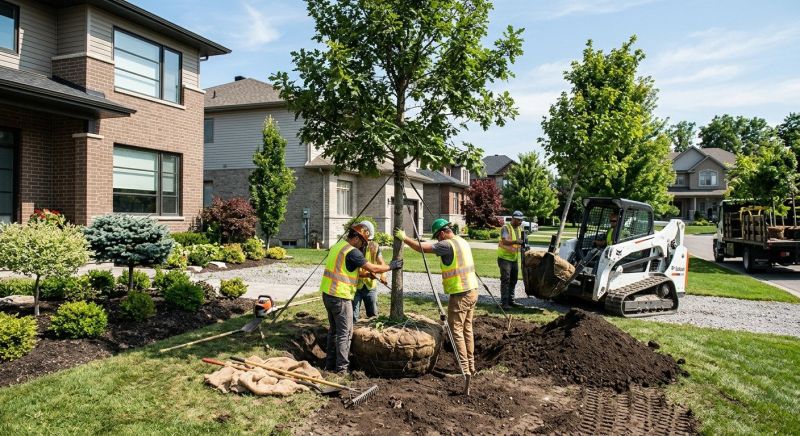
Planting And Soil Preparation
Proper techniques for planting and preparing soil to ensure healthy growth and longevity.
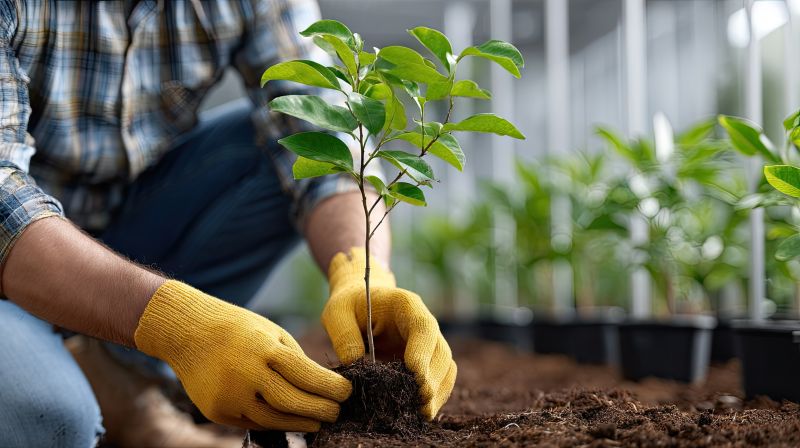
Maintenance And Care
Guidance on watering, pruning, and caring for pear trees to maximize their productivity and appearance.
Pear Tree Planting in Honolulu, HI
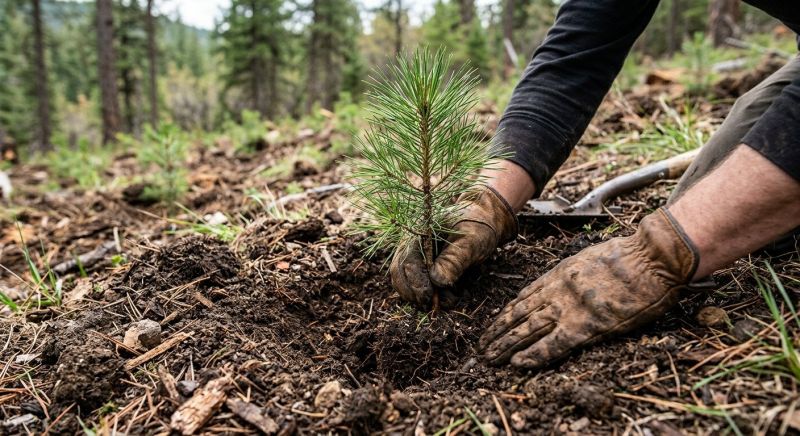
Pear Tree Planting services involve selecting, preparing, and planting trees to enhance the beauty, shade, and value of residential properties. These projects can include planting new trees in yards, gardens, or along streets, as well as replacing existing trees or adding specimens for landscape design. Homeowners typically seek guidance on suitable tree varieties for their specific climate and soil conditions, as well as advice on proper planting techniques to ensure healthy growth and long-term stability.
Property owners interested in pear tree planting often want to understand the space requirements for different types of pear trees, including root zone considerations and proximity to structures or underground utilities. They may also inquire about the best time of year for planting and how to care for newly planted trees to promote healthy development. Clear information on these factors can help ensure successful planting projects that contribute to a thriving landscape.
Many property owners in Honolulu, HI look into Pear Tree Planting for repairs, replacements, upgrades, and appearance-related improvements.
Common Pear Tree Planting Jobs
Tree planting - adding new pear trees to enhance landscape beauty and fruit production.
Ornamental pear trees - installing decorative trees for aesthetic appeal and seasonal interest.
Fruit tree planting - establishing pear trees that provide fresh fruit harvests year after year.
Urban planting - integrating pear trees into small or confined spaces for shade and visual interest.
Tree replacement - removing old or damaged pear trees and replacing them with healthy, mature specimens.
Landscape enhancement - incorporating pear trees into existing gardens to improve curb appeal and property value.
Pear Tree Planting Questions
What types of pear trees can be planted? Various pear varieties suitable for Honolulu's climate can be planted, including both standard and dwarf options.
When is the best time to plant a pear tree? The optimal time for planting is during the early spring or fall when conditions are mild and soil is workable.
What should be considered when choosing a planting location? Select a site with adequate sunlight, good drainage, and enough space for the tree to grow healthy and strong.
Are there special soil requirements for pear trees? Well-draining soil with balanced nutrients supports healthy growth; soil amendments may be used to improve conditions if needed.
Request Pear Tree Planting in Honolulu, HI
Use the quote form on this page to share the basics of your project and request more information for the type of work you need.